Camden landlords garden maintenance and council obligations
Posted on 13/11/2026
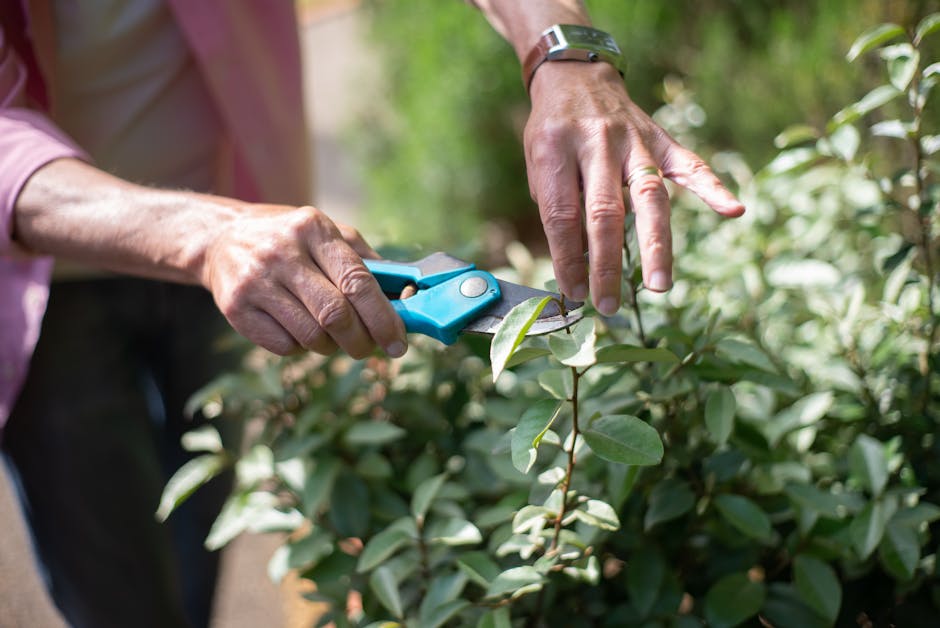
Camden Landlords Garden Maintenance and Council Obligations: A Practical Guide for Property Owners
If you own or manage rental property in Camden, garden upkeep can go from "nice to have" to "must deal with now" very quickly. Overgrown hedges, a patchy lawn, blocked paths, or ivy creeping into brickwork can all trigger complaints, reduce tenant satisfaction, and create avoidable maintenance headaches. Camden landlords garden maintenance and council obligations is not just about keeping a garden looking neat; it is about meeting your responsibilities, avoiding nuisance issues, and protecting the value of the property.
In this guide, we'll break down what landlords are typically expected to maintain, how council concerns can arise, where responsibilities may sit between landlord and tenant, and how to stay on top of things without turning the whole job into a weekly battle. Truth be told, a well-kept garden often saves more time than it costs.
Why Camden landlords garden maintenance and council obligations Matters
Let's start with the obvious bit: gardens are part of the property, not an afterthought. In Camden, where outdoor space may be small, shared, or visible from the street, poor maintenance can become noticeable fast. A few missed cuts of the hedge or a build-up of weeds can make a property look neglected, even if the inside is spotless.
For landlords, that creates three kinds of risk. First, there is tenant experience. Tenants are more likely to feel at home in a clean, safe, usable outdoor space. Second, there is property condition. Neglect can accelerate damage, from damp caused by blocked drainage to structural issues linked to climbing plants or damaged fences. Third, there is council pressure. If vegetation spills into public areas, creates obstruction, attracts pests, or contributes to untidy premises complaints, the local authority may become involved.
A small front garden can be enough to cause a problem if it starts encroaching on pavements or neighbouring boundaries. A rear garden, meanwhile, can become a hidden liability if it is left to become a thicket. And yes, neighbours do notice. Usually when they are most irritated.
For landlords who want to stay proactive, it helps to understand that garden upkeep is not just cosmetic. It is part of responsible property management, and in many cases it is part of preserving goodwill with tenants, neighbours, and the council alike.
How Camden landlords garden maintenance and council obligations Works
The key is to separate three layers of responsibility: the tenancy agreement, the property condition, and wider public or environmental expectations. In practice, those layers overlap. That is where confusion starts.
Some tenancy agreements place routine garden care on the tenant, such as mowing the lawn, weeding beds, or watering plants. Others leave most garden work to the landlord. Many agreements split the tasks. But even if the tenant is meant to do the day-to-day gardening, the landlord usually still has a duty to ensure the space is safe, functional, and not in a state of serious neglect.
Council obligations usually come into play where the garden affects the wider area. Common examples include:
- overgrown front gardens blocking access or sightlines
- hedges or branches extending over pavements or neighbouring land
- rubbish, waste, or fly-tipping in outdoor areas
- serious weed growth contributing to nuisance or appearance concerns
- unsafe, unstable, or diseased trees that may require specialist attention
That means a landlord should think beyond "who is meant to mow the lawn?" and ask a bigger question: is the garden in a condition that could attract complaints, pose a safety issue, or damage the property's standing? That question is especially relevant in dense parts of Camden, where boundaries are close and outdoor space is very visible.
If you are already dealing with a tired-looking outside space, a practical first move is to review the whole area, not just the obvious weeds. A neglected corner often hides the real problem. Our guide to revitalising a neglected garden is useful if you are facing a property that needs a fresh start rather than a quick tidy-up.
Key Benefits and Practical Advantages
Staying on top of garden maintenance pays off in ways that are easy to underestimate. The obvious benefit is visual appeal, but there is more going on underneath.
- Fewer complaints: Neighbours and tenants are less likely to raise concerns about mess, overgrowth, or access issues.
- Lower repair risk: Regular pruning and clearing helps prevent damage to fences, paving, walls, and drainage points.
- Better tenant retention: Tenants often treat a cared-for property with more respect. Not always, but often enough to matter.
- Safer access: Clear paths and controlled planting reduce trip hazards and access problems.
- Improved inspection outcomes: A tidy outside space makes routine property inspections much easier to manage.
- Stronger presentation for lets: Outdoor space photographs better and helps the property stand out.
There is also a softer benefit: peace of mind. If you know the garden is handled, you are not checking messages on a rainy Sunday wondering whether the hedge has now become "an issue". That alone is worth something.
For landlords who want a more long-term approach, low-maintenance planting can make a huge difference. Ideas from low-maintenance garden ideas and ground covers that thrive in UK gardens can reduce future workload while keeping the space presentable.
Who This Is For and When It Makes Sense
This topic matters to a wide range of Camden property owners, not just those with large gardens. In fact, smaller outdoor spaces can be more sensitive because every untidy edge stands out.
You will especially need a clear maintenance plan if you are:
- a landlord with a single rental house and private garden
- a portfolio landlord managing several Camden properties
- a letting agent coordinating upkeep on behalf of owners
- a leaseholder or freeholder responsible for shared external areas
- a landlord preparing a property for new tenants or an inspection
- a property owner dealing with repeat complaints about overgrowth or access
It also makes sense to get ahead of the issue if the property has mature trees, tall hedges, climbing plants, or a history of patchy upkeep. Those elements do not stay static. They get bigger. Fast, sometimes.
For example, a landlord might think a front hedge can wait until the next season. Then autumn rain, wind, and a few missed weeks later, the hedge has become an obstacle rather than a feature. If that sounds familiar, hedge trimming in Camden is one of the most useful maintenance tasks to keep on a calendar.
Step-by-Step Guidance
Here is a simple process for keeping Camden rental gardens under control without overcomplicating things.
- Check the tenancy agreement. Confirm who is responsible for regular garden tasks. Do not assume. A quick read now saves awkward conversations later.
- Inspect the garden properly. Look at lawn condition, hedges, beds, paths, fences, drainage, trees, and any signs of weed spread or pest activity.
- Identify council-sensitive issues. Focus on anything that could affect public access, neighbouring property, waste storage, or visual nuisance from the street.
- Prioritise safety and access. Clear steps, paths, gates, and entrances first. These are the bits that create liability if ignored.
- Set a maintenance rhythm. Think in seasons rather than panic. Monthly checks for some gardens, more frequent visits for fast-growing spaces.
- Assign the right work to the right person. Basic mowing may be simple enough. Tree work, stubborn ivy, or heavy clearance may need professionals.
- Keep records. Photos, dates, and notes help when you need to show maintenance has been carried out. Boring, yes. Useful, absolutely.
- Review after tenant changeovers. New tenants notice things previous tenants stop seeing. That is the perfect time for a reset.
If the garden has become tangled with ivy or self-seeded growth, do not try to wrestle it all at once without a plan. A targeted approach is safer and less frustrating. The article on proven methods for removing ivy is a good reference point for difficult overgrowth.
And if you want the outside space to support longer-term tenancy appeal, consider how the garden actually lives. Does it feel usable? Is there a place to sit? Could a small lawn be kept tidy without becoming a time sink? That practical lens matters more than fancy design, most of the time.
Expert Tips for Better Results
In our experience, the best landlord garden strategies are usually simple, consistent, and a bit unglamorous. No one wins a prize for overcomplicating hedge care.
- Choose resilient planting: Shrubs, ground cover, and hardy perennials reduce replacement work and keep beds looking fuller for longer.
- Use the right cut cycle: Light, regular trimming is easier on hedges and bushes than occasional heavy cutting.
- Protect hard landscaping: Patio edges, decking, and paths need attention too. Slippery surfaces or weed joints can quickly spoil the whole impression.
- Plan for weather shifts: Wind, frost, and heavy rain all change how outdoor spaces behave. Camden weather can be all over the place in a single week.
- Think about tenant use: If the garden is meant for pets, children, or entertaining, maintenance priorities change. A tenant with a dog will need different ground cover than a tenant who just wants a quiet cup of tea outside.
- Keep trees under review: Mature trees and large limbs need careful monitoring. If anything looks unstable or intrusive, get expert help early.
One of the most practical things you can do is make the garden easier to maintain rather than simply prettier. Vertical planting can help in tight spaces, while evergreen climbers can screen awkward boundaries without constant replanting. If that sounds useful, take a look at vertical gardening ideas and evergreen climbers for shaded spaces.
For landlords managing properties with limited outdoor square footage, even a few smart changes can make maintenance much easier. A small, well-chosen planting scheme beats a big, unruly one every time.
Common Mistakes to Avoid
There are a few mistakes we see repeatedly. They are common, but that does not make them harmless.
- Assuming the tenant is fully responsible: Even where tenancy terms mention garden care, the landlord still needs to keep an eye on condition and safety.
- Leaving hedge work too long: By the time a hedge is visibly causing problems, the job is usually bigger and more expensive.
- Ignoring front gardens: Front spaces are often the first to draw attention from neighbours or the council.
- Delaying tree checks: A small issue in spring can become a serious one after storms or growth spurts.
- Using the wrong plants for the space: Big plants in tiny beds are a maintenance headache waiting to happen.
- Forgetting waste removal: Cuttings, dead leaves, and brash left in piles quickly make a tidy garden look neglected again.
One slightly annoying truth: many garden problems are not dramatic. They are cumulative. A bit of ivy here, some weeds there, one missed hedge cut, and suddenly the property looks like nobody is in charge. Not ideal.
If you have a garden that tends to collect weeds or get patchy fast, it can help to learn a more consistent approach to weed control. Our guide on superior weed control is a sensible place to start.
Tools, Resources and Recommendations
The right tools depend on the size and condition of the garden, but a landlord-friendly maintenance kit does not need to be huge. It just needs to be practical.
- hedge trimmer for regular shaping
- lawn mower or mowing service for small lawns
- loppers and secateurs for smaller pruning jobs
- rake, broom, and leaf collector for seasonal tidy-ups
- weed removal tools for paving and borders
- gloves, eye protection, and sturdy footwear
- waste bags or bins for green waste disposal
Some properties also need periodic support with patio cleaning, fencing, decking, or tree work. These are not decorative extras. They shape the overall condition of the outdoor space and can influence how easy it is to keep everything under control.
For many landlords, the sensible route is to combine routine maintenance with occasional specialist visits. That can include garden maintenance in Camden, lawn mowing support, or patio cleaning for hard surfaces when the space needs a proper refresh.
If you want the wider property presentation to feel coherent, services such as fencing, decking work, and tree surgery may also be relevant depending on the condition of the site.
For landlords comparing support options, it helps to understand how services are usually packaged. The following table gives a straightforward comparison.
Law, Compliance, Standards, or Best Practice
Because this topic touches property management and public-facing maintenance, a cautious, best-practice approach is the safest one. Exact legal duties can depend on the tenancy agreement, the property type, and the condition of the site. If in doubt, landlords should review their documents carefully and seek proper advice where needed.
As a general rule, landlords should aim to avoid conditions that create nuisance, obstruction, or preventable hazards. That includes overgrown front boundaries, unsafe access routes, unmanaged waste, and vegetation that may affect neighbouring land or structures. Trees and larger plants deserve extra care because they can create safety and boundary issues more quickly than people expect.
Best practice usually includes:
- clear written responsibility for garden care in the tenancy agreement
- regular visual inspections rather than waiting for complaints
- prompt action on overgrowth, slips, trips, and drainage issues
- safe working methods for pruning, ladders, and waste handling
- record keeping for work completed and issues identified
Where the garden contains mature trees, unstable structures, or access challenges, it is wise to use trained professionals. That is not being cautious for the sake of it; it is simply good property management. You only need one gusty afternoon to learn that lesson the hard way.
For landlords who want to understand the service side in more detail, the company's internal policies on health and safety, insurance and safety, terms and conditions, and privacy can help provide confidence in how work is managed.
For a broader look at the business behind the service, about us offers useful context. If you are checking practical details before booking, pricing and quotes, payment and security, and the cookie policy may also be helpful from a trust and process perspective.
Options, Methods, or Comparison Table
| Approach | Best for | Pros | Watch-outs |
|---|---|---|---|
| Tenant handles routine care | Simple gardens with clear agreement terms | Low direct cost, easy to arrange | Needs oversight; standards can slip without checks |
| Landlord arranges periodic maintenance | Properties with visible front gardens or shared concern points | More consistent appearance, fewer disputes | Higher direct spend than tenant-only care |
| Professional scheduled service | Busy landlords, portfolios, or overgrown gardens | Reliable, safer for specialist work, better records | Needs budgeting and service coordination |
| One-off restoration then light upkeep | Neglected gardens needing a reset | Fast visual improvement, easier to manage later | Can fail if follow-up care is ignored |
For most Camden landlords, a hybrid approach works best: a clear tenancy clause for everyday tidying, plus periodic professional support for hedge cutting, lawn care, and seasonal clean-ups. That tends to be the sweet spot between cost and control.
Case Study or Real-World Example
Here is a realistic example from the kind of situation that comes up often in Camden. A landlord manages a terraced property with a small front patch, a narrow side return, and a back garden that tenants mostly use for storage and the occasional barbecue. Nothing dramatic. Just a space that slowly slipped into "we'll sort it next month" territory.
By late summer, the hedge had grown into the pavement line, weeds had taken over the side return, and the back garden had become a mix of old plant pots, a tired lawn, and a few persistent patches of ivy. The tenants had not been malicious; they simply did not know what level of upkeep was expected, and the landlord had not checked closely enough.
The fix was practical rather than fancy. The landlord clarified responsibilities in writing, arranged a proper cut-back, cleared the side return, and switched to a simple monthly inspection. A few resilient ground cover plants were added to reduce bare soil and weed pressure. The front hedge was put on a regular trim cycle. The result was not a showpiece garden, but a tidy, safe, manageable one that stopped attracting complaints.
That is the real win, to be fair. Not perfection. Control.
If you are starting from a tired outdoor space, the first improvement often comes from removing pressure rather than adding features. A clean reset, then a lighter maintenance plan, usually works better than trying to make the garden "ideal" in one weekend.
Practical Checklist
Use this checklist for a quick landlord garden review.
- Confirm who is responsible for routine garden care in the tenancy agreement
- Check whether the front garden affects pavements, access, or neighbours
- Inspect hedges, shrubs, trees, and climbing plants for overgrowth
- Look for weeds, debris, and poor drainage
- Make sure paths, steps, and gates are clear and safe
- Review fences, decking, patios, and boundary features for damage
- Schedule seasonal lawn and hedge work
- Arrange specialist help for trees, ivy, or heavy clearance where needed
- Keep dated photos of the garden condition after maintenance
- Recheck the garden after tenant changeovers or stormy weather
Expert summary: For Camden landlords, the safest approach is usually simple: define responsibilities clearly, inspect the space regularly, deal with growth before it becomes nuisance, and use professional help for the jobs that carry risk or require specialist equipment.
Get a free quote today and see how much you can save.
Conclusion
Camden landlords garden maintenance and council obligations come down to one practical idea: do not let the outside of the property become the bit that causes the most trouble. A garden that is left to drift can create complaints, damage the tenant relationship, and invite preventable safety concerns. A managed garden, on the other hand, quietly supports the whole property.
The good news is that you do not need to overdo it. A clear agreement, a steady maintenance rhythm, and the right support for tricky work is often enough. Keep an eye on growth, stay ahead of seasonal changes, and treat the garden as part of the rental asset rather than an extra chore. That mindset makes everything easier.
And really, that is what good landlord maintenance is about: fewer surprises, fewer awkward phone calls, and a property that feels cared for rather than merely occupied.


Utilizing his gardening expertise, Carl is capable of composing informative articles on landscaping, lawn care, and garden maintenance, facilitating hundreds of individuals in achieving the garden they've been longing to create.